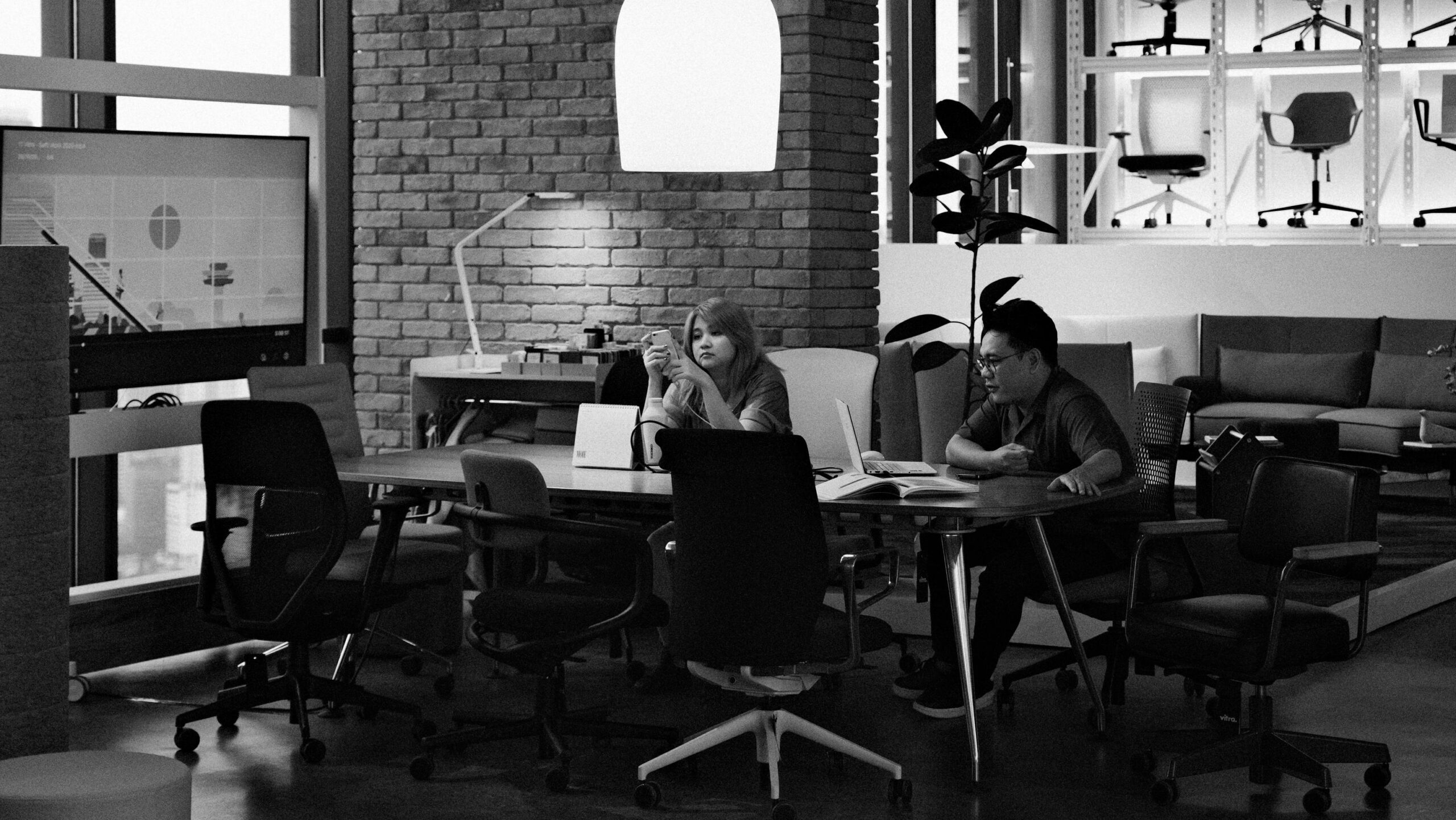
For modern professionals, deciding between a serviced office and a coworking space is a strategic decision. Both options offer flexibility, amenities, and community, but they also bring their own distinctive benefits.
In this blog, we’ll highlight the key differences between coworking and serviced offices to help you figure out which is the best fit for your business or work style.
Understanding The Options
Before we take a closer look, let’s define what makes each workspace stand out in today’s professional landscape.
What Is A Serviced Office?
A serviced office is a fully furnished office space within a larger building, ready to support your business from the moment you step inside. Think of it as a “turnkey” solution. You pay a single monthly fee that covers rent, outgoings, utilities, cleaning, and building maintenance. These spaces are designed for businesses that require privacy, security, and a dedicated workspace without the hassle of setting up or managing an office space.
What Is Coworking?
Coworking refers to a shared working environment where professionals from different backgrounds work in a communal setting. The focus is heavily on community, collaboration, and networking.
Coworking spaces offer a flexible, cost-effective alternative to traditional office spaces, making them an attractive option for freelancers, startups, remote workers, and small businesses.
The Core Differences Between Coworking And Serviced Offices
To make an informed choice, it is important to look beyond the price tag and examine how each option impacts your daily operations.
1. Privacy And Focus
Both coworking and serviced offices offer a level of privacy and focus, but the degree differs between them.
Coworking Spaces: Often feature open-plan layouts that promote collaboration and interaction among members. This can create a sense of energy and community, making it an ideal environment for those who thrive on social interaction and collaboration.
Serviced Office: Offers more privacy and focus as they typically have separate lockable private office suites. This makes it a better fit for individuals or teams that require quiet and dedicated workspaces with minimal distractions.
2. Flexibility And Scalability
Coworking spaces and serviced offices offer a high level of flexibility and scalability, making them attractive options for individuals or businesses looking to grow or adapt quickly.
Coworking Spaces: Businesses can easily rent additional desks as their teams grow. This eliminates the need for long-term leases and allows businesses to scale as needed. Additionally, businesses can also move into a private office suite if they outgrow their coworking space.
Serviced Office: If a business needs to expand, it can often move to a larger office within the same building, making it easier to scale without changing locations or addresses. This helps reduce costs and disruptions typically associated with relocating to a new office space.
3. Brand Image And Professionalism
Brand image and professionalism play an important role for professionals looking to attract clients or investors.
Coworking Spaces: Project a vibe of innovation and flexibility, which is attractive to start-ups and creative professionals. Coworking spaces often feature modern, stylish interiors that can impress clients and create a professional image.
Serviced Office: Projects an image of success and sophistication. Serviced offices often feature high-end furniture, state-of-the-art technology, and a professional reception area that can impress clients and convey credibility.
4. Cost Structure And Value
Cost-wise, both coworking spaces and serviced offices are more affordable than traditional office spaces.
Coworking Spaces: Due to their shared nature, coworking spaces offer a cost-effective solution for freelancers and start-ups. These spaces offer flexible membership options, allowing individuals and businesses to pay for only the space they need.
Serviced Office: While serviced offices are slightly pricier than coworking spaces, they remain a cost-effective option for businesses looking to reduce overhead. These spaces are fully furnished and provide everything you need to hit the ground running.
5. Amenities And Culture
Coworking spaces and serviced offices are equipped with modern amenities that support productivity and growth.
Coworking Spaces: In addition to office essentials like high-speed internet and printing facilities, coworking spaces also offer amenities such as communal kitchens, lounge areas, and meeting rooms.
Serviced Office: Offers amenities similar to those of coworking spaces, but may also include onsite reception service, mail handling, and high-end furnishings. These amenities are designed to create a professional and comfortable environment for professionals who require a more private and dedicated office space.
Which Option is Right for You?
To decide, ask yourself the following questions:
Choose a Serviced Office / Private Suite if:
- Confidentiality is important: You handle sensitive documents, including legal or financial data.
- Team collaboration is a priority: You need a dedicated space to build your own internal team culture without outside distractions.
- You host clients frequently: You require a professional, consistent environment to conduct meetings.
- Flexibility is key: You need the ability to easily scale your office space as your business needs change.
Choose Coworking if:
- Budget is the primary driver: You need to keep costs as low as possible while you scale.
- You are a solo operator: You want to combat the loneliness of working from home.
- Collaboration is important: You want to work alongside other professionals in a diverse and creative environment.
- Networking is essential: you want to build relationships with like-minded individuals and businesses.
- You are highly mobile: You only need a desk and WiFi to get your work done.
A Better Way to Work
The differences between coworking and serviced offices may seem subtle, but they are important to consider when choosing the right workspace for you. One common factor that unites them is the concept of flexibility. Both coworking and serviced offices offer a flexible approach to work, allowing individuals and businesses to have more control over their work environment.
Whether you’re a freelancer, entrepreneur, or part of a larger company, working in a flexible environment can lead to increased productivity, improved work-life balance, and reduced overhead costs.
Finding Your Ideal Space
Ultimately, the difference between coworking and serviced offices comes down to individual preferences and needs. Some people may prefer the more social environment of a coworking space, while others may value the privacy and amenities offered in a serviced office.
At The Junction, we have curated a space where flexibility and focus converge. With 56 private office suites and a thriving coworking community, we offer the best of both worlds.
Ready to elevate your working environment? Book a tour today and discover a space designed for your success.